What does true business agility look like? Especially when successful infrastructure must support growth, complexity, and constant change?
As 2026 approaches, many IT leaders are askiing this question. The pressure to keep pace with new requirements is real, but the solution is not speed for the sake of speed. It’s agility. Agility comes from structure, preparation, and the ability to adjust with confidence instead of scrambling through each change.
The coming year will bring stronger demands on your infrastructure choices. And while many teams still rely on systems and agreements set years ago, those foundations no longer support the flexibility needed for 2026.
You still have time to prepare, though. A smart partner like COMtuity can handle the heavy lifting so your environment strengthens and your team is positioned for predictable outcomes.
Start with this guide. In it, you’ll get a clear look at how cloud agility helps teams stay proactive and how tech advisors can help build agility without noise or disruption.

Defining Cloud Agility for Modern IT Leaders
Agility is not about reacting quickly—It’s about reacting precisely. Agility in cloud computing is the ability to adjust your resources, scale operations, and shift tools or vendors without much disruption. When your IT infrastructure is built with agility in mind, you can move forward without redoing your entire environment at every turn.
For non-technical leaders, the changes that come from agile IT show up in clear ways:
- Costs stabilize
- Outages tied to aging equipment decrease
- Site-level needs become more consistent
- Multi-site issues reduce
- Vendor-shift readiness improves
Cloud agility creates space to adjust your approach without shaking your day-to-day operations. You keep your team focused on service quality instead of constant troubleshooting.
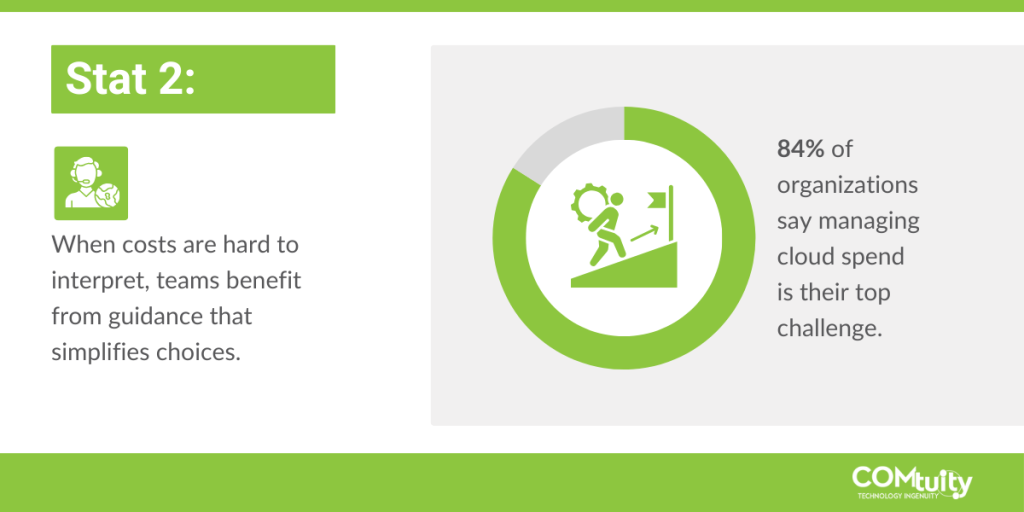
A Step-by-Step Guide to Modernizing IT for Agility
Modernizing for agility doesn’t mean overhauling everything at once; it means creating a foundation that supports growth without constant disruption. These steps give you a structured way to evaluate your environment, remove friction, and strengthen your ability to adapt in 2026 and beyond. Each action helps you shift from reactive adjustments to predictable, repeatable, and scalable operations.
Step 1: Build a Clear Map of Your Current State
Capture every system, contract, carrier, cloud workload, support tier, and risk. You cannot plan or strengthen your environment without this baseline.
Step 2: Identify Agility Blockers
Highlight tools that cannot scale, old dependencies, services that require manual coordination, and processes tied to individual sites instead of the broader business. These slow your ability to respond.
Step 3: Prioritize Workloads That Need to Move to the Cloud
Communication systems, collaboration tools, data-heavy applications, and customer-facing systems often benefit the most. Cloud platforms help you support these workloads without added constraints.
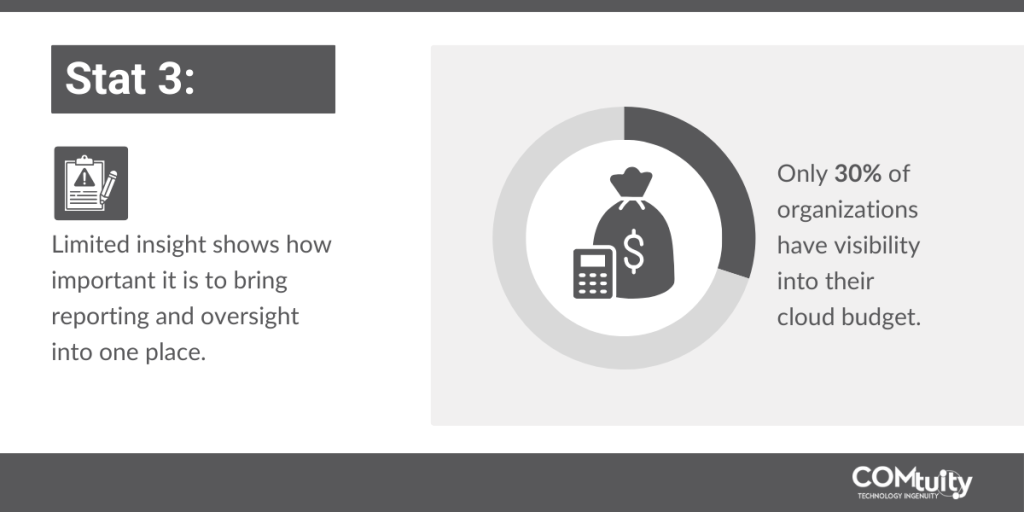
Step 4: Strengthen Vendor Oversight Before Disruptions Occur
Ask for updated escalation paths. Audit your contracts. Validate support performance. Make sure your team owns all documentation and configurations.
Step 5: Use Cloud Solutions to Simplify Repeatable Processes
New site rollouts, access management, data backup and recovery, and remote support become easier when cloud systems carry most of the weight.
Step 6: Build Flexibility Into Your 2026 Planning
Set aside budget room for adjustments. Prepare contingencies for carrier shifts. Build multi-vendor strategies where they make sense. Establish cloud-first guidelines that help your team stay consistent.
Once these core steps are in place, your organization becomes far more flexible. But if you operate multiple sites, there’s an added layer you can’t ignore. Cloud agility looks very different when every location introduces its own risks, vendors, and connectivity realities.

Why Multi-Site Businesses Have Distinct Agility Requirements
Location-based organizations carry additional challenges. You deal with site-level connectivity variations, uneven vendor support, and different equipment lifecycles. Interruptions cost more because they affect customers, staff, and operations all at once. You need cloud and network standards that can be replicated across every site.
Cloud tools help stabilize your environment. COMtuity’s Marketplace supports these needs by providing structured comparisons and access to a broad supplier ecosystem. Key benefits include:
- Standard templates for connectivity, cloud applications, and access ensure consistency across locations.
- Faster onboarding for new sites and quicker rollout of company-wide updates.
- Predictable patterns for data management and reporting.
- Easier decision-making for stretched teams through visibility into stable, scalable, and goal-aligned solutions.
- Access to a wide range of suppliers without the burden of evaluating each one individually.
Stabilizing multi-site operations is a major step toward agility, but sustaining that stability takes continuous oversight and clear guidance. This is why many leaders partner with a tech advisor who can help them navigate changing providers, contracts, and technologies with confidence.
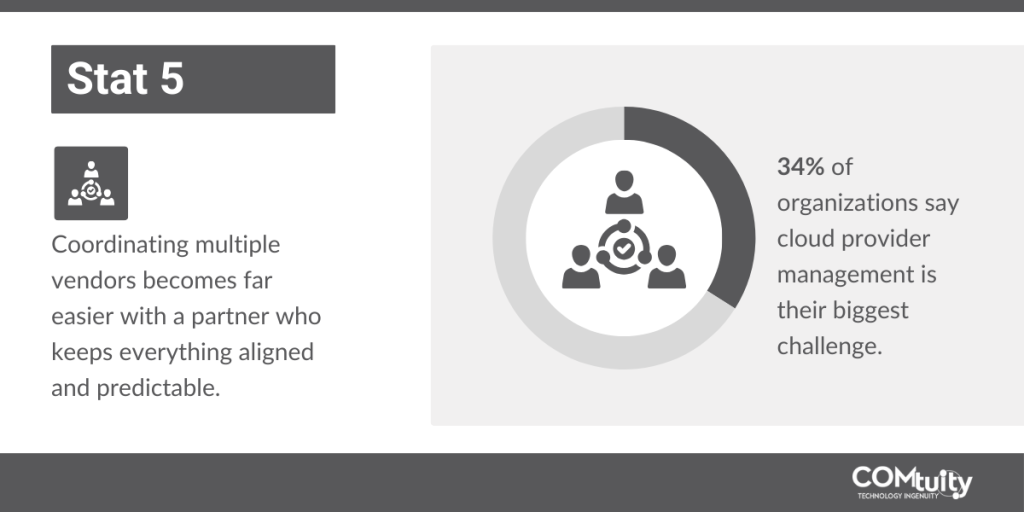
Cloud Agility as a Long-Term IT Strategy
At COMtuity, we make agility simple. We filter choices, compare providers, and bring clarity without adding pressure. We protect your interests during cloud and carrier decisions and help you maintain leverage with suppliers. This stability directly strengthens your ability to adapt.
Agility becomes far easier to achieve when you have a clear view of your environment and a partner who can guide you through the decisions that shape it. As demands grow and providers continue to shift, teams need support that keeps their cloud strategy aligned with real-world business needs — not just technical requirements.
Whether you’re modernizing legacy systems, preparing for multi-site growth, or trying to ensure your cloud investments support next year’s goals, the right guidance keeps your path steady. COMtuity helps you move forward with less noise, fewer interruptions, and a clearer understanding of what will serve your business best.
Contact COMtuity to strengthen your cloud and supplier strategy for 2026.